Organizing a spectacular event requires finding the perfect balance of entertainment to keep everyone engaged. Whether you are hosting a small backyard birthday or a massive corporate family day, determining the right number of activities is crucial. Planning carnival game logistics for up to 250 guests might seem overwhelming at first, but it comes down to simple math and understanding crowd flow. If you provide too few games, your guests will spend their time waiting in frustratingly long lines. If you overbook, your budget takes a massive hit while booths sit empty.
This comprehensive guide will break down exactly how to calculate your entertainment needs based on your specific guest count. We will explore the critical factors of game cycle times, player demographics, and space requirements. By understanding the underlying mechanics of event flow, you can guarantee a seamless, thrilling experience for every single attendee.
Understanding Game Throughput and Cycle Times
Before you can determine the exact number of games you need, you must understand the concept of throughput. Throughput refers to how many people can play a specific game in one hour. This is the foundational metric for all professional event planning.
A game with a high throughput keeps lines moving rapidly. A game with a low throughput creates bottlenecks that frustrate attendees. When you calculate your entertainment needs, you need to consider the combined throughput of all your attractions.
• Ring toss usually takes one minute per player.
• Inflatable obstacle courses can accommodate two players every forty-five seconds.
• Dunk tanks require about three minutes per participant to allow for throwing, falling, and resetting.
• Face painting stations can process roughly ten to fifteen children per hour.
You want your total hourly throughput to exceed your active playing guest count. Generally, at any given time, only about sixty percent of your guests will be actively playing games. The rest will be eating, socializing, or resting. Keeping this ratio in mind helps you avoid over-allocating your budget while ensuring maximum fun.
Strategies for 50 Guests: The Intimate Carnival
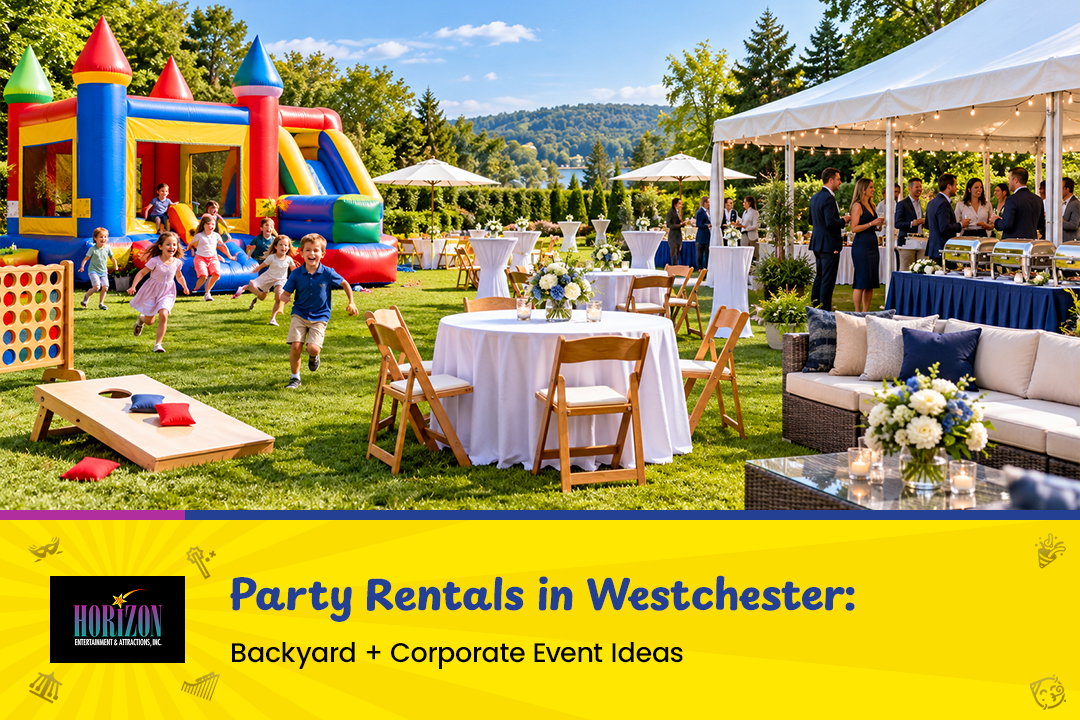
When hosting an event for fifty people, the atmosphere is inherently intimate and manageable. This size is typical for backyard birthday parties, small neighborhood block parties, or modest family reunions. For this crowd size, you typically need 3 to 5 carnival games.
Because the guest list is smaller, you do not have to worry as much about high-throughput attractions. Instead, you can focus on games that offer deeper engagement or take a little longer to play. Interactive party entertainment options work incredibly well here because guests have the time to enjoy them without feeling rushed by a massive line behind them.
Here are some excellent benefits of keeping a smaller game footprint for intimate events:
✅ Allows you to invest in higher-quality, premium game rentals.
✅ Requires far fewer volunteers or staff members to manage the booths.
✅ Keeps the party centralized in one specific area to encourage mingling.
✅ Reduces overall spatial requirements, making it perfect for residential backyards.
With fifty guests, you should aim for a mix of skill-based and luck-based games. Consider setting up one large inflatable, like a bounce house or slide, alongside three tabletop carnival games. This gives energetic attendees a physical activity while offering classic midway fun for those who want a calmer experience.
Scaling Up: Entertainment for 100 Guests
Doubling your guest list to one hundred people significantly changes the dynamics of your event. You have officially moved from an intimate gathering to a mid-sized event. This category often includes elementary school fall festivals, mid-sized church carnivals, and small corporate picnics. For 100 guests, plan for 6 to 9 distinct carnival games.
At this level, crowd control becomes a genuine factor. You cannot rely on people to figure out what to do; you need to design a flow that guides them through the event space. Including a dedicated prize booth separate from the game stations is highly recommended to prevent bottlenecks.
• High-throughput games become necessary to manage lines.
• You will need a dedicated power management plan for multiple inflatables.
• A ticket or wristband system helps track participation and control access.
• Dedicated food and beverage zones should be entirely separate from the gaming area.
For a crowd of one hundred, variety is your best tool for dispersing the crowd. If everyone wants to play the same game, you will create a localized traffic jam. Disperse your most popular attractions at opposite ends of your venue. According to event management best practices, creating “anchor” attractions naturally pulls crowds in different directions, balancing the overall footprint.
The Main Event: Carnival Games for Up to 250 Guests
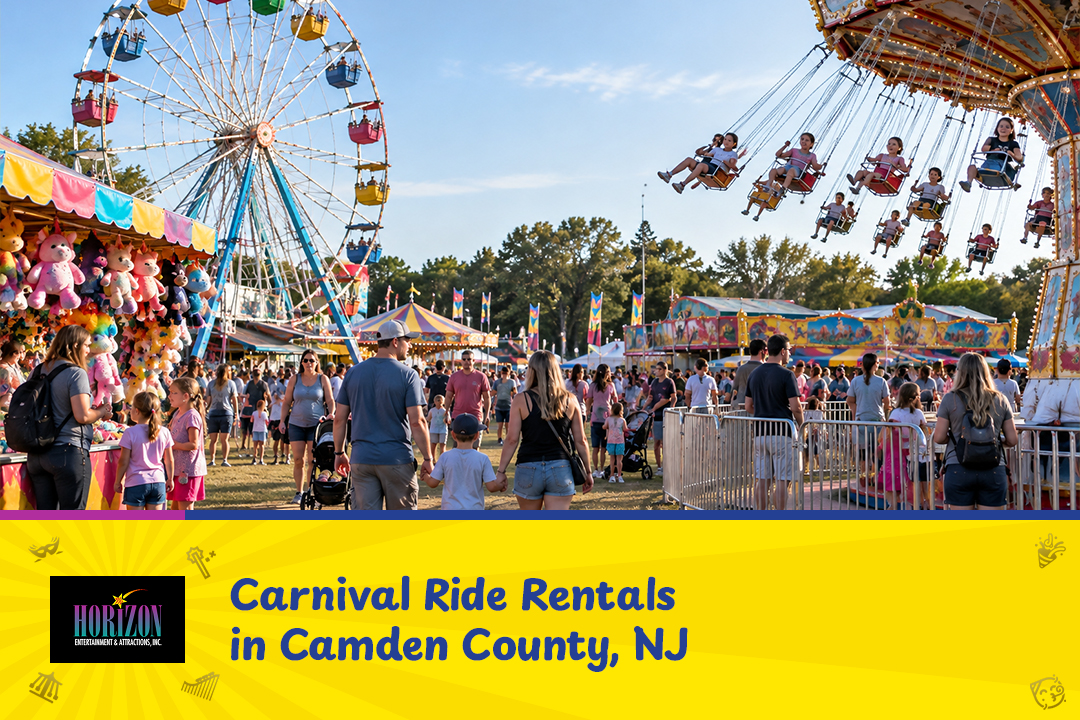
Hosting an event of this magnitude requires professional-level coordination and strategic spacing. Whether it is a massive community fundraiser, a large school spring fling, or a corporate extravaganza, keeping a massive crowd entertained takes serious planning. When calculating carnival games for up to 250 guests, the golden rule is volume and variety. For this crowd size, you need between 12 and 18 individual carnival games.
At this scale, you are not just setting up games; you are building an entire midway experience. You must account for different age groups, varying skill levels, and the natural fatigue that occurs during a large event. If you have 250 guests, about 150 might want to play games simultaneously. If your combined game throughput cannot handle 150 players per hour, your event will suffer from severe congestion.
Consider these tips when planning for large-scale crowds:
✅ Group similar games into dedicated “zones” based on age appropriateness.
✅ Hire professional attendants to manage high-liability attractions like mechanical bulls or rock walls.
✅ Implement a centralized ticketing system rather than taking cash at individual booths.
✅ Set up multiple identical stations of highly popular games to double the throughput.
✅ Provide plenty of shaded rest areas so non-playing guests do not crowd the game queues.
With an event this large, efficiency and safety are your top priorities. The International Association of Amusement Parks and Attractions emphasizes that clear signage and wide walkways are critical for managing large crowds safely. Place power generators far from foot traffic, and secure all extension cords with tape or ramps.
Selecting the Right Mix of Game Types
Your event’s success depends not just on the number of games, but on the specific categories you choose to feature. A balanced midway offers a diverse experience that appeals to toddlers, teenagers, and competitive adults alike.
Classic Skill Games
These are the traditional midway staples that test a player’s accuracy, strength, or timing. They are essential for any authentic carnival theme.
• Milk Bottle Knockdown
• Balloon Dart Throw
• Ring Toss
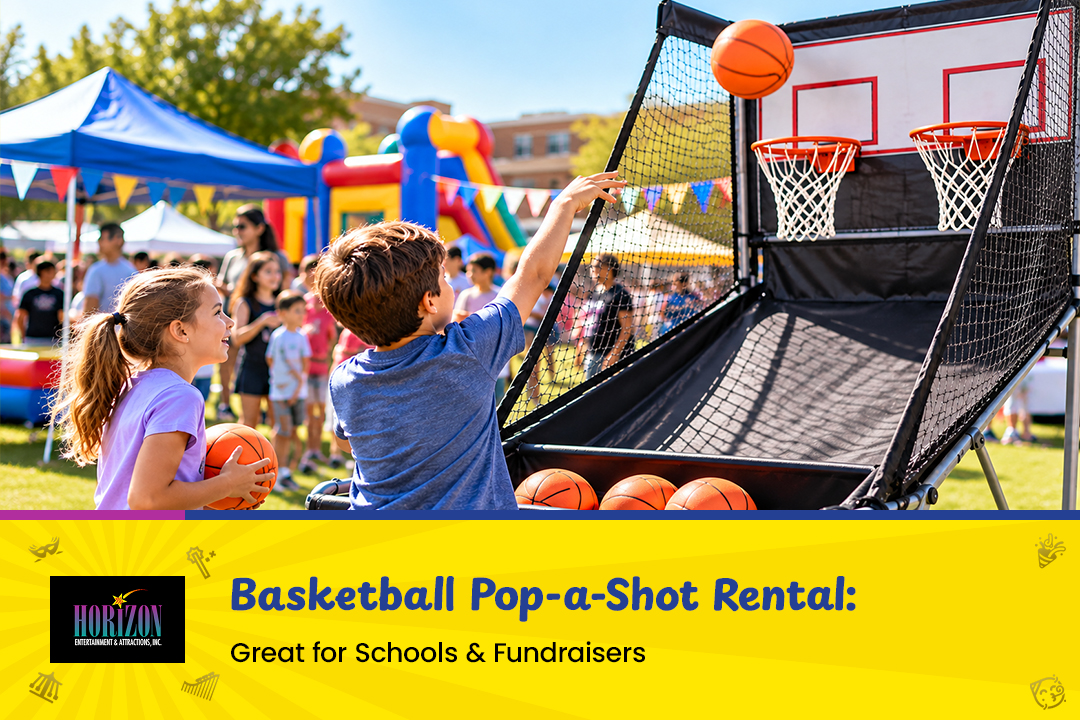
• Basketball Shootout
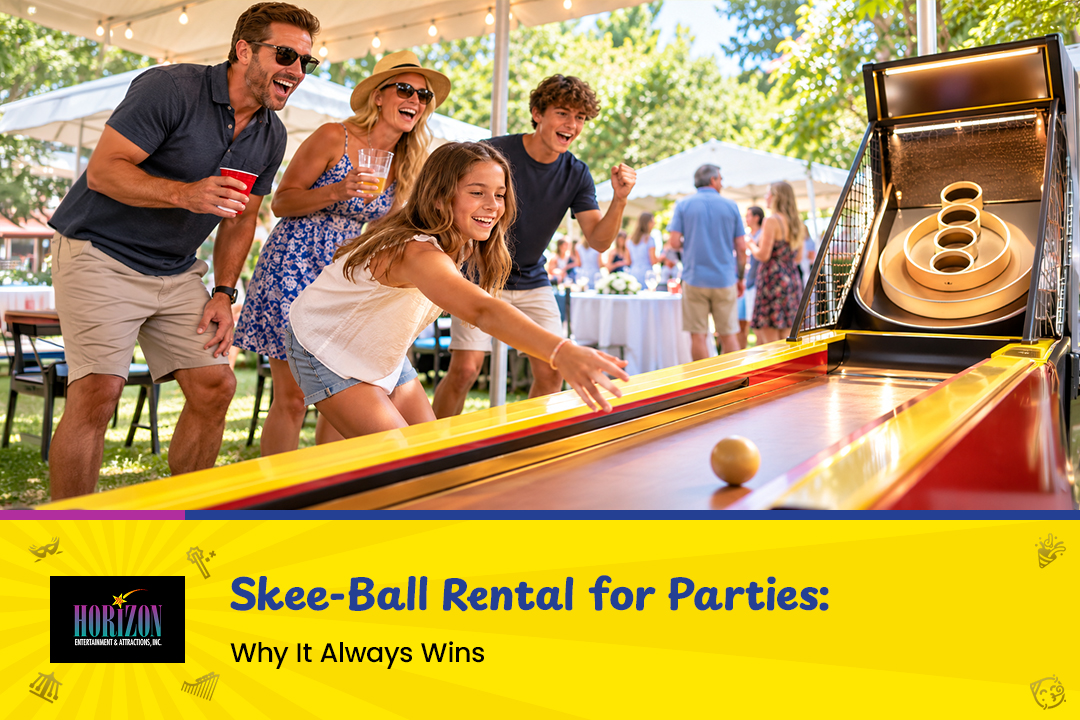
• Skee-Ball setups
Luck and Chance Games
Luck-based games are fantastic because they level the playing field. A five-year-old has the same chance of winning as a thirty-year-old, making these incredibly popular for mixed-age demographics.
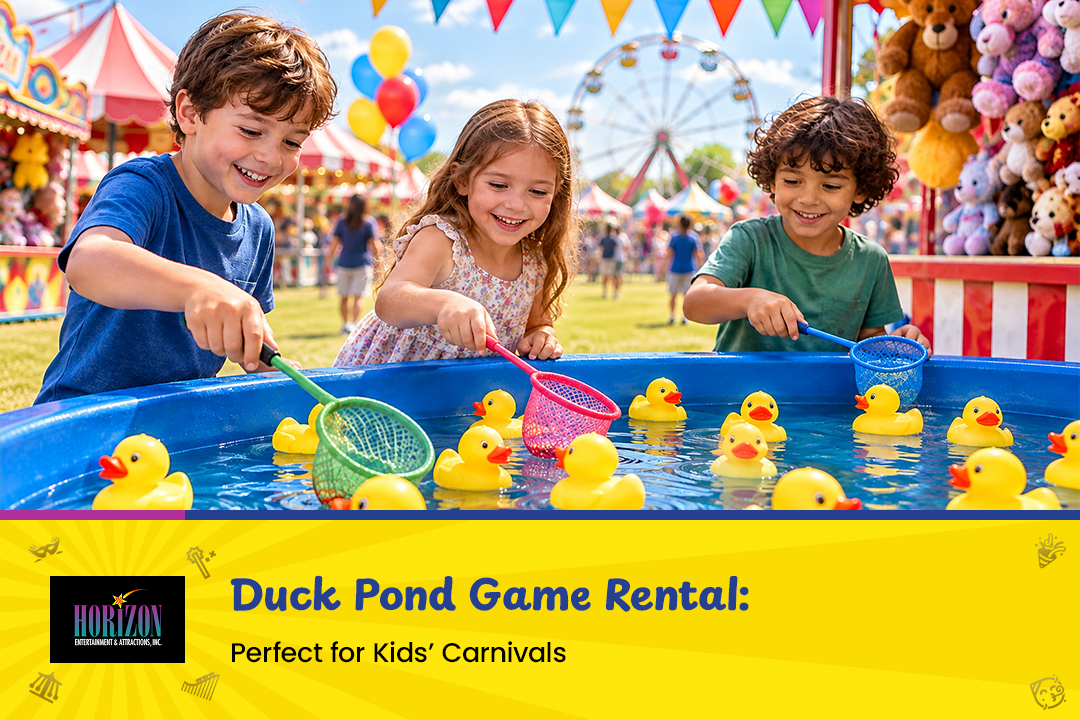
• Duck Pond Pick
• Spin the Wheel
• Plinko Boards
• Cake Walks
Immersive and Inflatable Attractions
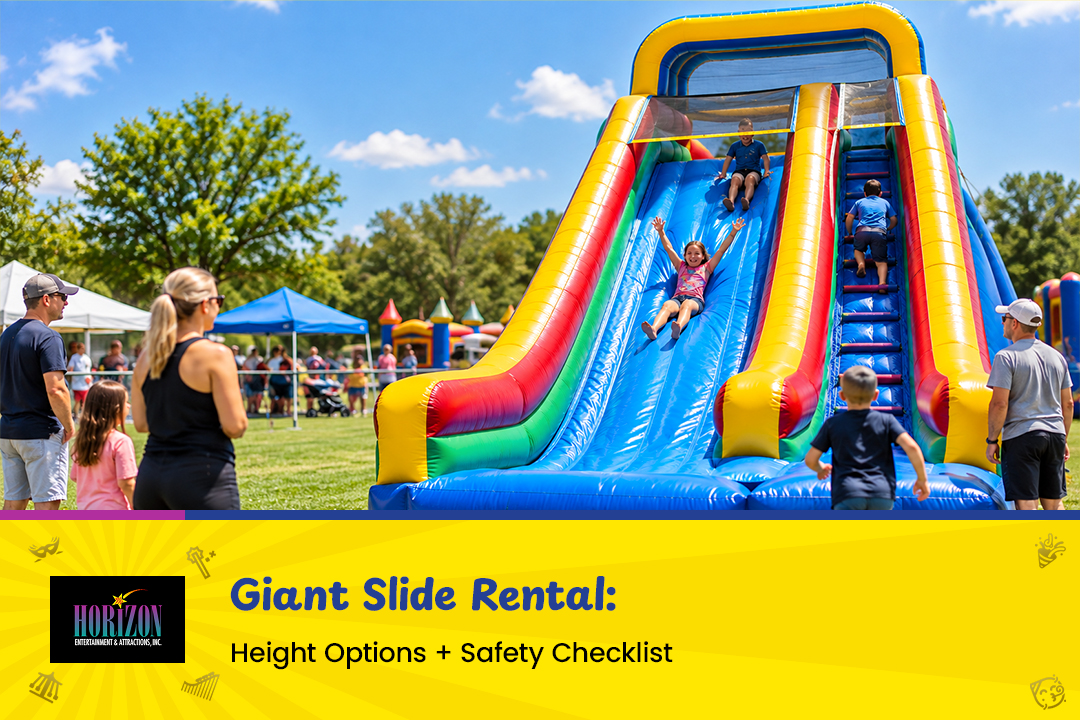
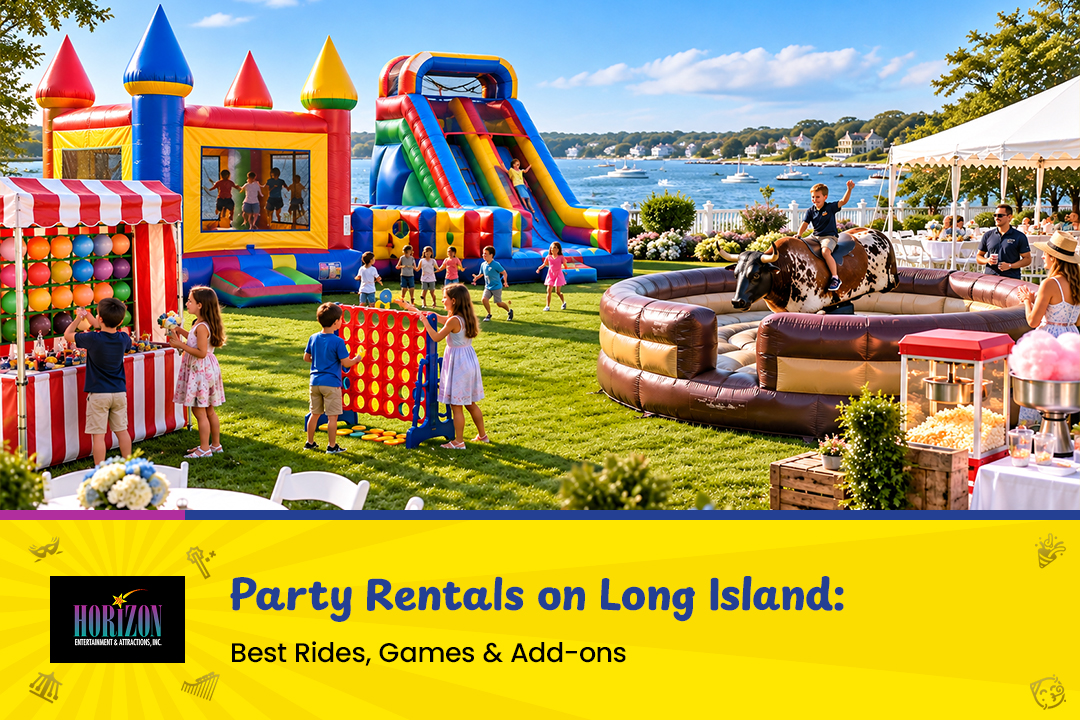
While not traditional tabletop games, inflatables are the visual anchors of your event. They draw the eye, create excitement, and offer incredibly high throughput for energetic participants. If you are browsing carnival event planning resources, you will notice that large physical challenges are often the highest-rated attractions.
• Giant Obstacle Courses
• Jousting Arenas
• Inflatable Slides
• Bungee Runs
Structuring Your Volunteer and Staffing Needs
Games do not run themselves. Even the most perfectly balanced event will fail instantly if you don’t have the workforce to run the attractions. Every game,no matter how simple, requires at least one dedicated attendant to explain the rules, reset the equipment, and hand out prizes.
For smaller events of 50 guests, you might only need a handful of enthusiastic parents to keep things moving. However, as you scale up, your staffing matrix becomes much more complex.
✅ Always schedule shifts in maximum increments of two hours to prevent volunteer burnout.
✅ Keep at least two “floater” volunteers who can relieve others for restroom breaks or handle unexpected rushes.
✅ Assign your most outgoing, energetic volunteers to the front-facing, high-interaction games.
✅ Provide clear, printed instructions at every booth detailing the rules and prize distribution.
Designing a Flawless Prize Strategy
A carnival loses its magic without the thrill of winning a prize. However, managing inventory for large crowds can become a logistical nightmare if you don’t plan correctly. The most efficient way to handle prizes is to remove them from individual game booths
Instead of giving a stuffed animal at the ring toss, implement a ticket redemption center. Players win tickets at the games and redeem them at a central location at the end of the event. This massively speeds up the game cycle times because volunteers aren’t wasting time letting kids agonize over which color bouncy ball they want.
• Determine your prize budget per person (typically $3 to $5) before buying inventory.
• Stock a massive amount of “consolation” prizes (stickers, small candies) so nobody walks away empty-handed.
• Display large, high-ticket items visibly at the prize booth to encourage repeat gameplay.
• Keep all prize inventory stored in a secure, weather-proof location during the event.
Step-by-Step Guide to Carnival Execution
To ensure your event runs smoothly, follow this precise chronological execution plan. Skipping steps will almost certainly result in logistical friction on the day of the event.
- Finalize your exact guest count and demographic breakdown three weeks prior.
- Calculate the number of games you need using the ratios above.
- Secure your rental equipment and pay all necessary deposits.
- Draw a scale map of your venue, placing high-throughput games at the edges to disperse crowds.
- Create a master volunteer schedule with built-in overlapping shift changes.
- Purchase and organize your prize inventory into tiered value categories.
- Set up all games and test them thoroughly at least two hours before guests arrive.
Conclusion
Mastering the logistics of event entertainment is incredibly rewarding. Whether you are hosting a quaint gathering in your backyard or coordinating carnival games for up to 250 guests, success comes down to understanding the math of crowd flow. By providing the correct ratio of 3-5 games for fifty guests, 6-9 games for a hundred, and 12-18 games for a massive crowd, you guarantee an environment free of boring waits and endless lines.
Remember to balance skill, luck, and physical activities to keep every demographic engaged. Prioritize safe layouts, efficient volunteer schedules, and streamlined prize redemptions. By following these proven formulas and utilizing reliable entertainment providers, your next carnival event will be a spectacular, stress-free triumph that your guests will talk about for years to come.