Planning a community festival, school fair, or corporate celebration involves juggling numerous logistical details. When you add mechanical attractions, bounce houses, or Ferris wheels to the mix, the complexity multiplies exponentially. Organizers frequently ask: ” Do carnival rides need permits in NJ/PA/NY? Because navigating cross-border or regional regulations can feel like an overwhelming maze. Whether you are setting up attractions in New Jersey, Pennsylvania, or New York, state laws and local municipal codes demand rigorous adherence to safety standards. Understanding these requirements protects your attendees, shields your organization from catastrophic liabilities, and ensures your event runs without interruption. This comprehensive guide breaks down everything you need to know about amusement ride permitting, state-specific rules, insurance mandates, and essential questions to ask your venue.
The Tri-State Regulatory Landscape: New Jersey, Pennsylvania, and New York
Operating mechanical amusements across the mid-Atlantic region requires understanding distinct state authorities. Each state maintains a dedicated division responsible for enforcing strict engineering reviews, annual registrations, and mandatory field inspections. Ignoring these statutory mandates can result in steep daily fines, immediate ride shutdowns, and severe legal exposure for event hosts.
New Jersey Regulations
The New Jersey Department of Community Affairs (DCA) oversees all mechanical attractions under the Carnival-Amusement Ride Safety Act. Amusement ride operators must register their equipment annually and secure formal state permits before opening any device to the public. You can verify official state guidelines directly through the New Jersey Department of Community Affairs portal. Manufacturers must obtain type certifications, and owners must submit detailed itineraries alongside proof of comprehensive liability coverage.
Pennsylvania Guidelines
In the Commonwealth of Pennsylvania, the Department of Agriculture manages the amusement ride safety program under the oversight of an advisory board. Ride owners must register their equipment, submit scheduled event itineraries in advance, and provide passing inspection affidavits. Licensed qualified inspectors evaluate every attraction before initial public use and during every reassembly phase. You can review official oversight protocols via the Pennsylvania Department of Agriculture website.
New York Standards
The New York State Department of Labor (NYSDOL) regulates amusement devices through its digital Management System for Protecting Workers’ Rights (MPWR) platform. Operators must submit digital device applications, location notices, and proof of workers’ compensation and general liability insurance at least ten days before operation. Detailed filing instructions are hosted on the New York State Department of Labor portal for all commercial operators.
Why Venue Permitting Matters for Your Event
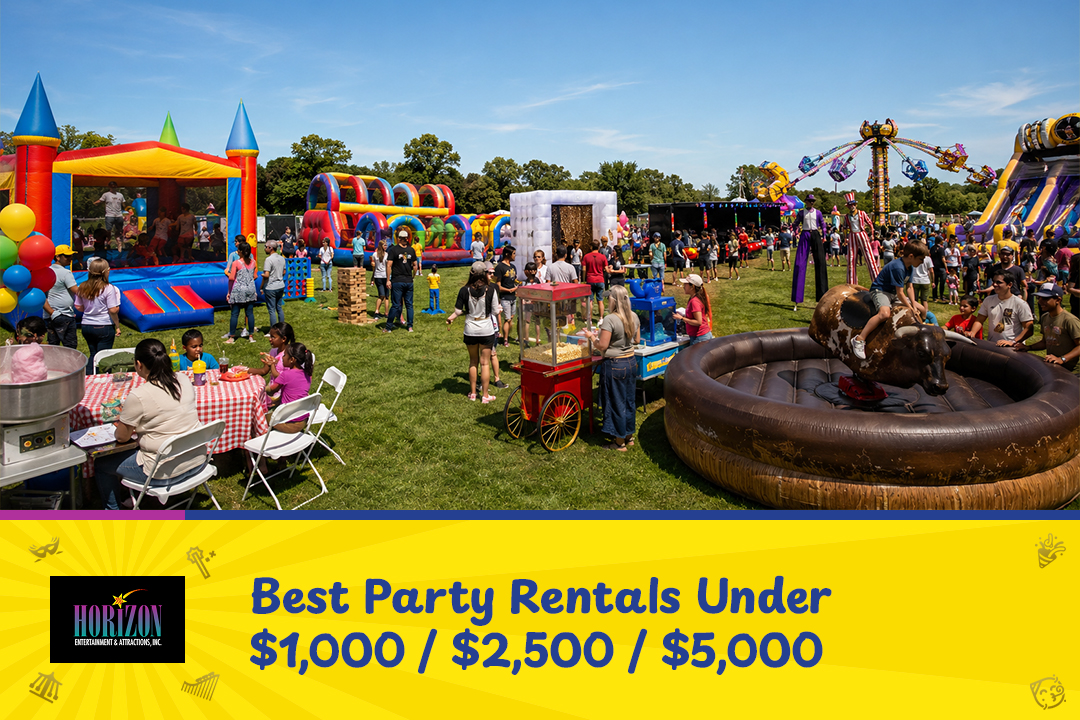
Securing proper permits is not merely a bureaucratic checkbox; it serves as your primary defense against preventable accidents. When local municipal officials or state inspectors visit your festival, they check for valid operating decals and current engineering sign-offs. Without these credentials, local authorities possess the legal authority to shut down your entire midway instantly.
Furthermore, event venues often share liability if an unpermitted attraction causes injuries to guests. Venue contracts typically contain indemnification clauses that shift legal responsibility onto the event organizer if proper statutory permits are missing. By verifying state credentials and municipal clearances ahead of time, you establish a culture of safety. For additional insights on planning safe gatherings, explore our party rental planning guide to streamline your operational framework.
Permit Requirements Breakdown by State
To ensure total compliance, event organizers must recognize the specific procedural differences required by regional safety boards. Each jurisdiction enforces distinct timelines, fee structures, and documentation thresholds that dictate how carnival vendors must operate.
New Jersey Compliance Workflow
Owners must submit annual permit applications accompanied by exact statutory fee payments.
A Certificate of Insurance showing a minimum of $1,000,000 per occurrence must be filed.
Rides must undergo a physical safety inspection by state-approved engineers before receiving validated permit plates.
Pennsylvania Operational Steps
Operators must register equipment with the Department of Agriculture before public deployment.
Itinerary forms detailing event locations must be submitted at least fifteen days before the event.
Inspection affidavits must be filed for each ride every thirty days or upon every new assembly location.
New York Digital Filing Mandates
All applications must clear through the online MPWR system managed by NYSDOL.
A standard per-device application fee must be paid online before the permit is generated.
Proof of liability, disability, and workers’ compensation insurance must explicitly name the state as a certificate holder.
The Ultimate Venue Checklist: What to Ask Your Event Location
Before signing a contract with a property owner or municipal park board, you must ask targeted questions regarding attraction allowances. Many venues restrict heavy vehicular traffic, inflatable staking, or high-draw electrical equipment.
Does the venue hold active municipal zoning permits for hosting commercial carnivals or public festivals?
Are there specific weight limits or ground protection mandates for heavy ride transport trucks and cranes?
Does the site offer dedicated electrical tie-ins, or must the vendor supply independent commercial generators?
What are the exact insurance naming conventions required by the venue’s corporate risk management team?
Are there designated noise ordinances or operational hour restrictions that impact evening midway schedules?
Insurance and Indemnification: Protecting Your Event
Financial protection remains a cornerstone of successful event production. Carnival vendors and host venues must maintain synchronized insurance policies to cover unforeseen mishaps. Standard commercial general liability policies must feature explicit endorsements for amusement attractions, as many baseline policies exclude inflatable bounce houses or mechanical rides.
Event planners should always request a formal Certificate of Insurance (COI) listing their organization and the property owner as additional insured entities. State laws across the region strictly mandate a baseline general liability threshold of at least one million dollars per occurrence. Double-check that your vendor’s policy contains no restrictive amusement exclusions to ensure full financial protection. You can discover more expert strategies by reviewing our comprehensive tips for organizing family events to safeguard your attendees effectively.
Step-by-Step Guide to Securing Carnival Ride Permits
Executing a seamless permitting process requires following a structured timeline. Event organizers can minimize administrative stress by breaking down the regulatory workflow into manageable phases.
Verify Vendor Credentials: Confirm that your chosen carnival provider is fully registered with state authorities and holds active type certifications for every requested attraction.
Review Venue Agreements: Cross-reference your venue contract with local municipal codes to ensure outdoor carnivals are legally permitted on the property.
Submit State Applications: Ensure the ride owner or your organization submits all required electronic or paper permit applications well ahead of statutory deadlines.
Coordinate Safety Inspections: Schedule mandatory on-site evaluations with state-licensed qualified inspectors immediately following equipment assembly.
Display Physical Permits: Confirm that validated state permit decals or raised-seal plates are securely affixed to each operating ride before opening gates to the public.
Best Practices for Event Organizers and Venue Managers
Maximizing safety and compliance requires proactive collaboration between event hosts, venue representatives, and amusement operators. Implementing structured operational habits prevents costly delays and fosters a secure environment.
✅ Maintain digital and physical copies of all insurance certificates and state permits in a central binder on-site.
✅ Conduct a morning walkthrough with the lead ride inspector to verify emergency stop buttons and operational fencing.
✅ Establish clear communication channels with local emergency medical services in case of sudden weather evacuations.
✅ Review rider height restrictions and signage placement to ensure compliance with manufacturer safety guidelines.
✅ Partner with reputable local vendors featured in our trusted party entertainment resources directory.
Common Pitfalls and How to Avoid Them
Even experienced event planners occasionally fall victim to avoidable regulatory oversights. Recognizing these frequent mistakes keeps your production cycle smooth and legally sound.
• Assuming local municipal approval automatically satisfies state-level amusement ride safety mandates and inspection schedules.
• Waiting until the final week before the event to submit mandatory state itinerary forms and digital insurance certificates.
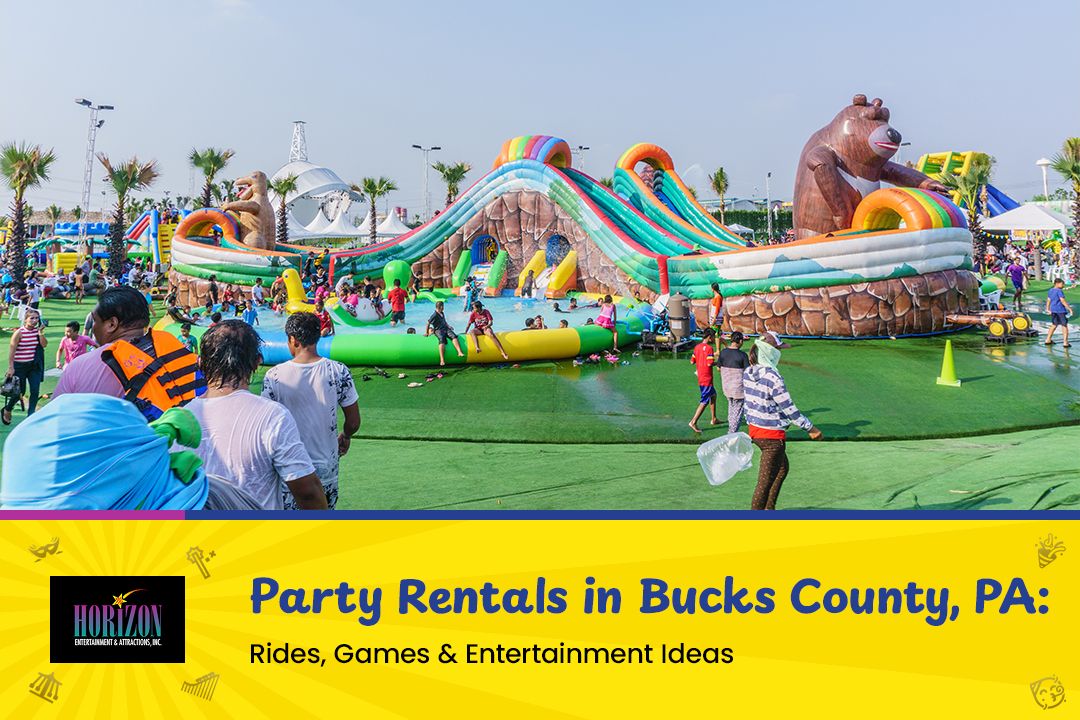
• Failing to verify that inflatable bounce houses and water slides are legally classified and permitted as mechanical rides.
• Overlooking the requirement to name the property owner and event committee as additional insured entities on the vendor policy.
• Allowing rides to operate before state-licensed inspectors have physically reviewed the reassembled equipment on-site.
Conclusion
Navigating the regulatory requirements for public amusements demands careful attention to detail across every jurisdiction. When asking Do carnival rides need permits in NJ/PA/NY, the definitive answer is an absolute yes, backed by strict state oversight and mandatory inspection laws. By understanding regional differences, securing robust liability insurance, and coordinating closely with your venue, you create a safe environment for every guest. Plan, ask the right questions about the venue, and enjoy a successful, fully compliant event experience.